Loyalty Tiers Transform One-Time Betting Promotions Into Ongoing Rewards
Clara Griffin · Aug 26, 2026
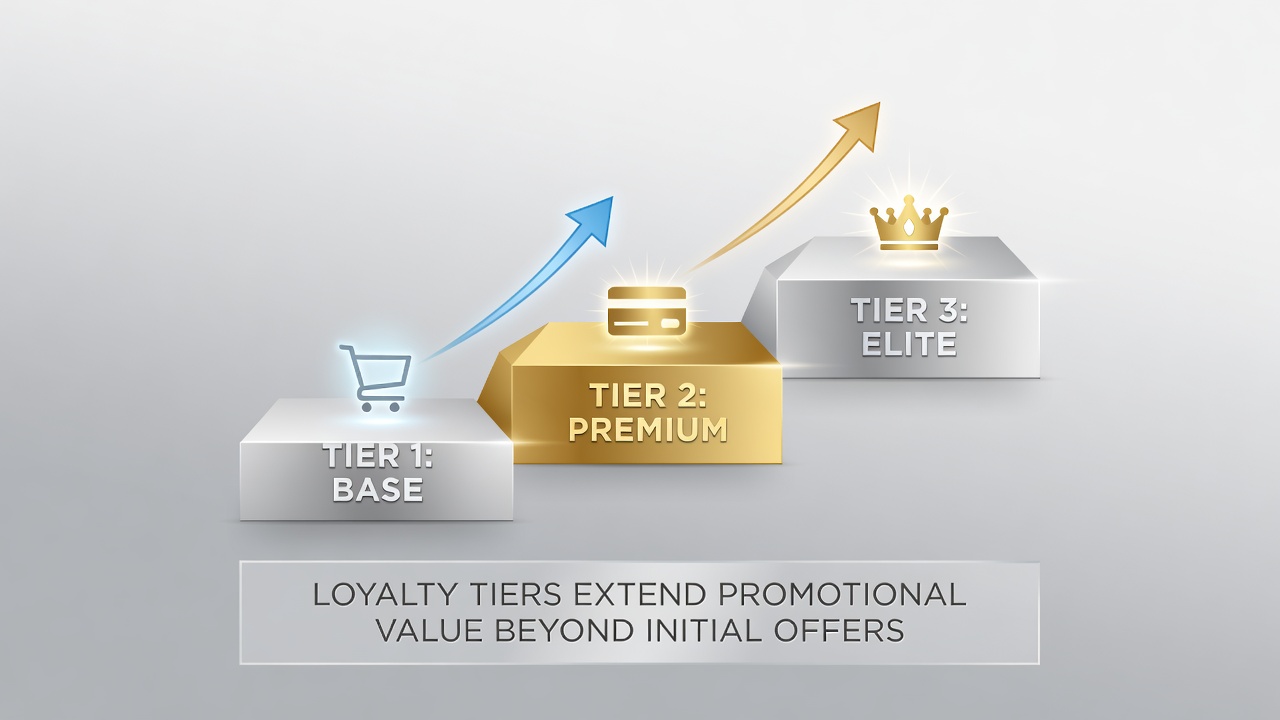
Loyalty Tiers Transform One-Time Betting Promotions Into Ongoing Rewards
Betting operators structure loyalty tiers to convert initial sign-up incentives into extended engagement systems that reward repeated activity over months rather than days, and data from industry reports confirm these frameworks now operate across major markets including the United States, Australia, and parts of Europe. Operators assign customers to entry-level tiers upon registration, then advance them through performance metrics such as total wagers placed, deposit frequency, and account tenure, while each subsequent tier unlocks higher cashback percentages, exclusive free bet allocations, and accelerated point accumulation rates that compound promotional value.
Mechanics Behind Tier Progression
Points systems form the core of most loyalty structures, with operators converting betting turnover into redeemable credits that determine tier status at monthly or quarterly review intervals, and customers who maintain consistent activity often reach mid-tier thresholds within four to six weeks. Higher tiers grant access to personalized account managers, reduced withdrawal times, and invitations to events, whereas lower tiers still deliver baseline cashback on losses and occasional reload bonuses that keep engagement active even when players avoid premium events. Operators track these metrics through centralized databases that update in real time, allowing instant visibility into tier eligibility without manual applications.
Extending Value Past Welcome Packages
Initial deposit matches and free bet bundles typically expire within 30 days, yet loyalty tiers activate immediately after those windows close by providing ongoing cashback on net losses and tier-exclusive multipliers on future deposits, and this continuity prevents abrupt drops in customer activity once the welcome period ends. Research from the American Gaming Association indicates that tiered programs increase average player lifespan by 35 to 50 percent compared with flat promotional models, while operators report higher lifetime value per account because rewards scale gradually rather than resetting after each campaign. Customers in upper tiers receive invitations to special events during major sporting calendars, including August 2026 fixtures where enhanced odds and dedicated bonus pools become available exclusively to platinum and diamond members.
Regional Implementation Patterns
European operators frequently tie loyalty tiers to responsible gambling tools by capping reward redemption at set loss thresholds, whereas North American platforms emphasize rapid tier climbs tied to sports betting volume during football and basketball seasons, and Australian programs integrate loyalty points with venue-based rewards that convert digital activity into physical casino credits. Data released by the Nevada Gaming Control Board shows tiered loyalty participation rose 22 percent year-over-year through mid-2026, driven by mobile app integrations that notify users of impending tier upgrades and remaining requirements. These variations demonstrate how local regulations shape reward delivery while the underlying goal of extending promotional reach remains consistent across jurisdictions.
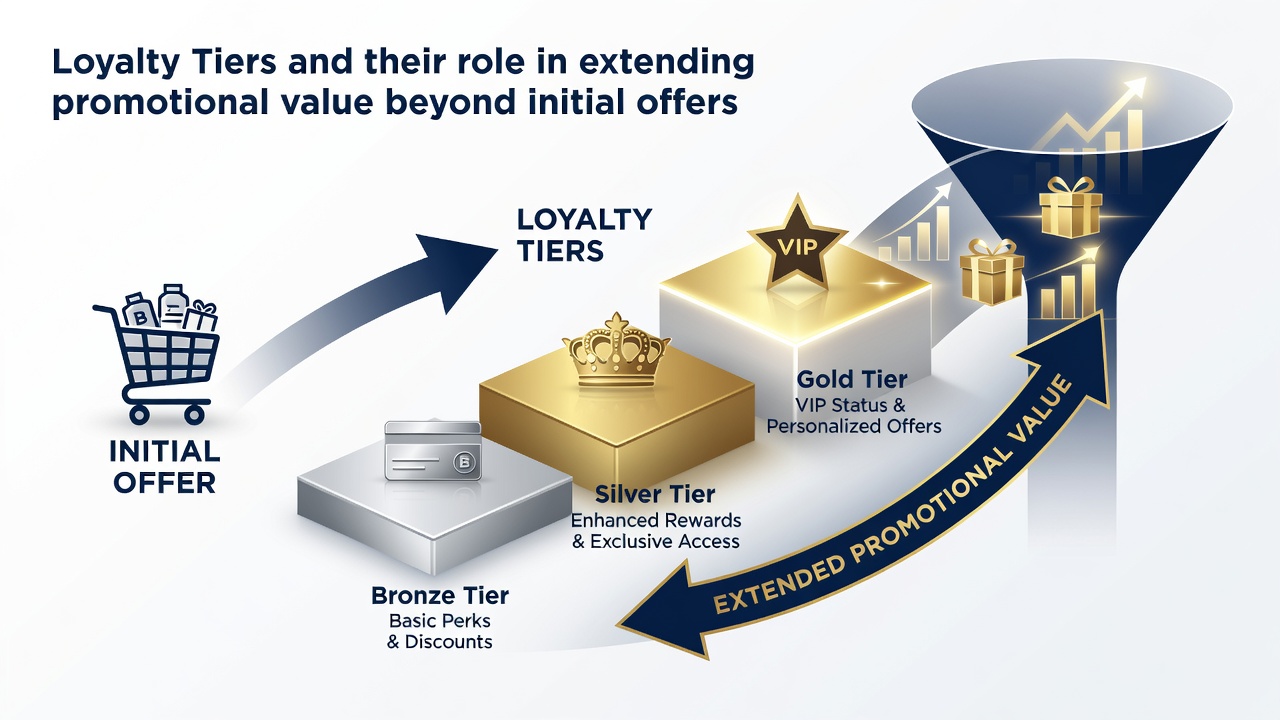
Impact on Player Behavior and Operator Metrics
Studies published by academic research groups reveal that customers enrolled in multi-tier loyalty programs place 18 to 27 percent more bets per month once they achieve silver or gold status, because visible progress bars and milestone rewards create incremental targets that sustain activity between major promotions. Operators benefit from predictable revenue streams as tier members exhibit lower churn rates, with platinum-level accounts showing retention above 80 percent over 12-month periods according to aggregated industry data. The structure also allows operators to segment marketing spend more efficiently by directing high-value offers only to those already committed through tier progression rather than broadcasting generic bonuses.
Future Adjustments Anticipated for Late 2026
Platform updates scheduled for release after August 2026 aim to incorporate dynamic tier adjustments based on real-time risk profiles alongside spending patterns, and early testing indicates these refinements could further extend promotional value by aligning rewards with sustainable play patterns. Industry observers note that integration with third-party loyalty ecosystems may soon allow points earned on betting sites to transfer toward travel or retail rewards, expanding the reach of initial offers into non-gaming sectors. Such developments build directly on existing tier mechanics without altering core progression rules that have already proven effective at maintaining engagement.
Conclusion
Loyalty tiers function as structured extensions of promotional campaigns by converting one-time incentives into scalable reward ladders that operators adjust according to customer activity and regional rules. Data from multiple markets demonstrate measurable gains in retention and lifetime value when these systems operate alongside initial offers rather than replacing them. As platforms refine these frameworks through 2026 and beyond, the emphasis remains on measurable progression metrics that deliver continued returns for both operators and customers who advance through the tiers.